
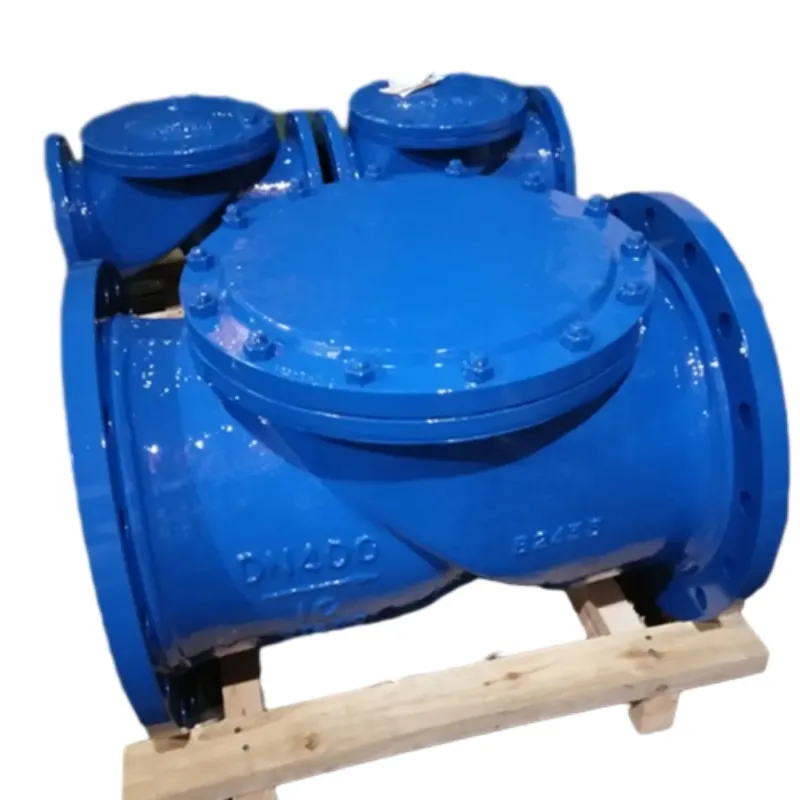
frameless lighted bathroom mirror
Understanding Water Valve Pressure Key Insights and Best Practices Water valves play a critical role in managing the flow of water in various systems, including residential plumbing, irrigation, and industrial applications. One of the essential factors governing the efficiency and safety of these systems is water valve pressure. This article will explore the importance of understanding water valve pressure, common issues associated with it, and best practices for maintaining optimal pressure levels. The Importance of Water Valve Pressure Water valve pressure refers to the force exerted by the water as it flows through a valve. This pressure needs to be managed carefully to ensure that systems operate effectively. If the water pressure is too high, it can lead to leaks, burst pipes, and damaged appliances. Conversely, low pressure can result in insufficient flow rates, causing inadequate performance in watering systems or inefficient bathroom and kitchen fixtures. Maintaining appropriate pressure in water valves is crucial for several reasons. First, it impacts the overall performance and longevity of plumbing systems. High-pressure situations can cause wear and tear on valves and other components, leading to frequent repairs and replacements. Second, proper water pressure ensures efficient operation in irrigation systems, thus promoting healthy plant growth. Finally, the integrity of the plumbing can have significant implications for water safety and quality. Common Issues Related to Water Valve Pressure 1. High Pressure Excessive water pressure can lead to valve failure and damage to connected fixtures. It often results from malfunctioning pressure regulators or issues in the municipal supply. 2. Low Pressure Causes of low water pressure can include clogged pipes, insufficient pipe diameter for the required flow rate, or faulty valves. Diagnosis often requires comprehensive assessments to identify the root causes. 3. Pressure Fluctuations Intermittent pressure changes can disrupt the flow and create uncomfortable situations, particularly in residential settings where water is needed continuously. Best Practices for Managing Water Valve Pressure water valve pressure To maintain optimal water valve pressure and prevent issues from arising, consider the following best practices 1. Regular Inspections Conduct regular checks on your water valves and associated components. Look for signs of wear, corrosion, or buildup that may indicate pressure issues. 2. Pressure Testing Utilize pressure gauges to monitor water pressure levels. Testing your system periodically helps identify issues early on and ensures that the water supply remains within a safe and functional range. 3. Utilize Pressure Regulators In high-pressure situations, installing a pressure regulator can help maintain consistent levels. Regulators automatically adjust the pressure entering your property and protect plumbing infrastructure. 4. Correct Sizing of Pipes and Valves Ensure that the diameter of pipes and the specifications of the valves are appropriate for the water flow you expect. This attention to detail will help prevent pressure-related issues from arising. 5. Professional Assistance When in doubt, consult a plumbing professional. They can provide expert advice and assistance in diagnosing and resolving complex pressure issues. 6. Educate Yourself Stay informed about the properties and specifications of your water system. Understanding the basic principles behind water valve pressure will empower you to identify potential problems and take proactive measures. Conclusion Water valve pressure is a critical aspect of plumbing systems that should not be overlooked. By understanding its importance, recognizing common issues, and adhering to best practices, individuals can ensure the longevity and efficiency of their water systems. Whether for residential or agricultural applications, maintaining proper water valve pressure guarantees a steady, reliable flow of water, ultimately contributing to the health and safety of users.
about
frameless lighted bathroom mirror
Heavy Duty Fabrication Tables Essential Tools for Precision and Durability In the realm of industrial manufacturing and construction, heavy-duty fabrication tables have emerged as indispensable tools for ensuring precision and efficiency. These robust surfaces are designed to withstand the rigorous demands of various applications, making them crucial in workshops, factories, and on construction sites. With the ability to support significant weights and endure harsh conditions, heavy-duty fabrication tables facilitate a wide range of tasks, from welding and assembly to machining and inspection. Heavy Duty Fabrication Tables Essential Tools for Precision and Durability In addition to their strength, heavy-duty fabrication tables are designed with versatility in mind. Many models come equipped with integrated clamping systems, work holding jigs, and grid patterns, enabling workers to secure their materials efficiently. This enhanced adaptability not only streamlines workflows but also reduces the time spent on setup, leading to increased productivity. The ability to customize the table with various accessories further amplifies its utility, making it an essential component for diverse projects in metalworking, woodworking, and other crafts. heavy duty fabrication table Moreover, heavy-duty fabrication tables promote safety in the workplace. Their solid construction minimizes the risk of accidents caused by unstable work surfaces. By providing a stable platform for cutting, welding, or assembling, these tables help prevent injuries related to slips or collapses. Furthermore, many tables are designed with features that protect both the user and the material, such as rounded edges and non-slip surfaces. Finally, investing in a quality heavy-duty fabrication table can yield long-term cost savings. Their durability means they can withstand wear and tear over time, reducing the need for frequent replacements. Additionally, the increased efficiency and precision they provide can lead to higher-quality products and reduced waste, contributing to better profit margins for businesses. In conclusion, heavy-duty fabrication tables are vital assets in various industrial environments. Their strength, versatility, and safety features make them essential for ensuring precise work and improving productivity. As industries continue to evolve, the demand for reliable and efficient fabrication tables will only increase, underscoring their importance in modern manufacturing and construction practices.
-

High quality industrial productsagement

High quality industrial products
View Details -

Meet the diverse needs of customers

Meet the diverse needs of customers
View Details -

Strict quality control

Strict quality control
View Details -

Top raw materials

Top raw materials
View Details -

Trusted supplier

Trusted supplier
View Details
Our application



news and information
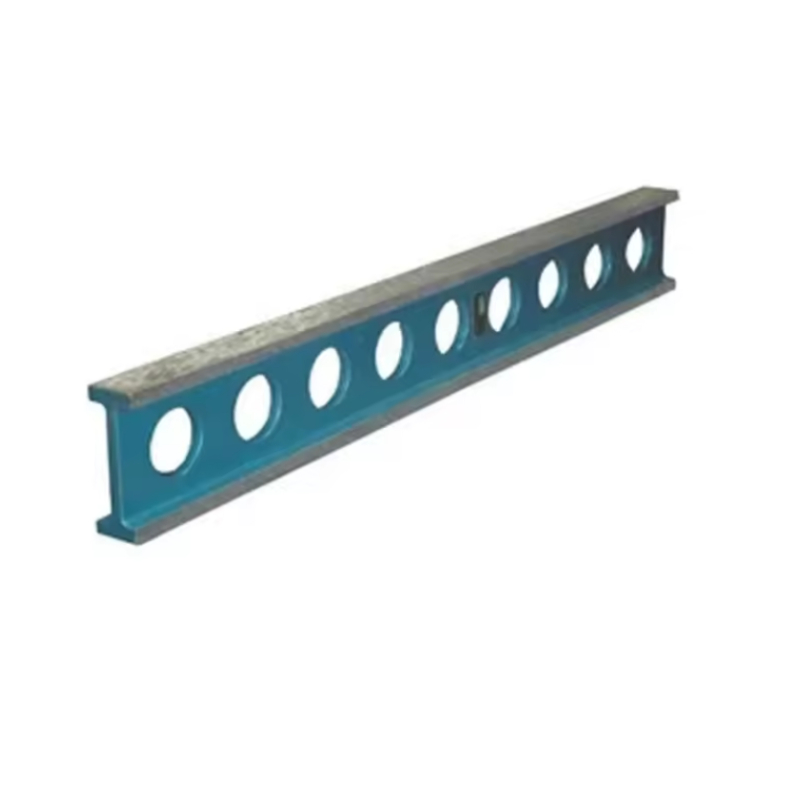
Vee Blocks Available for Purchase – High Quality Options to Choose From
Vee Blocks for Sale An Essential Tool for Precision Machining When it comes to precision machining,
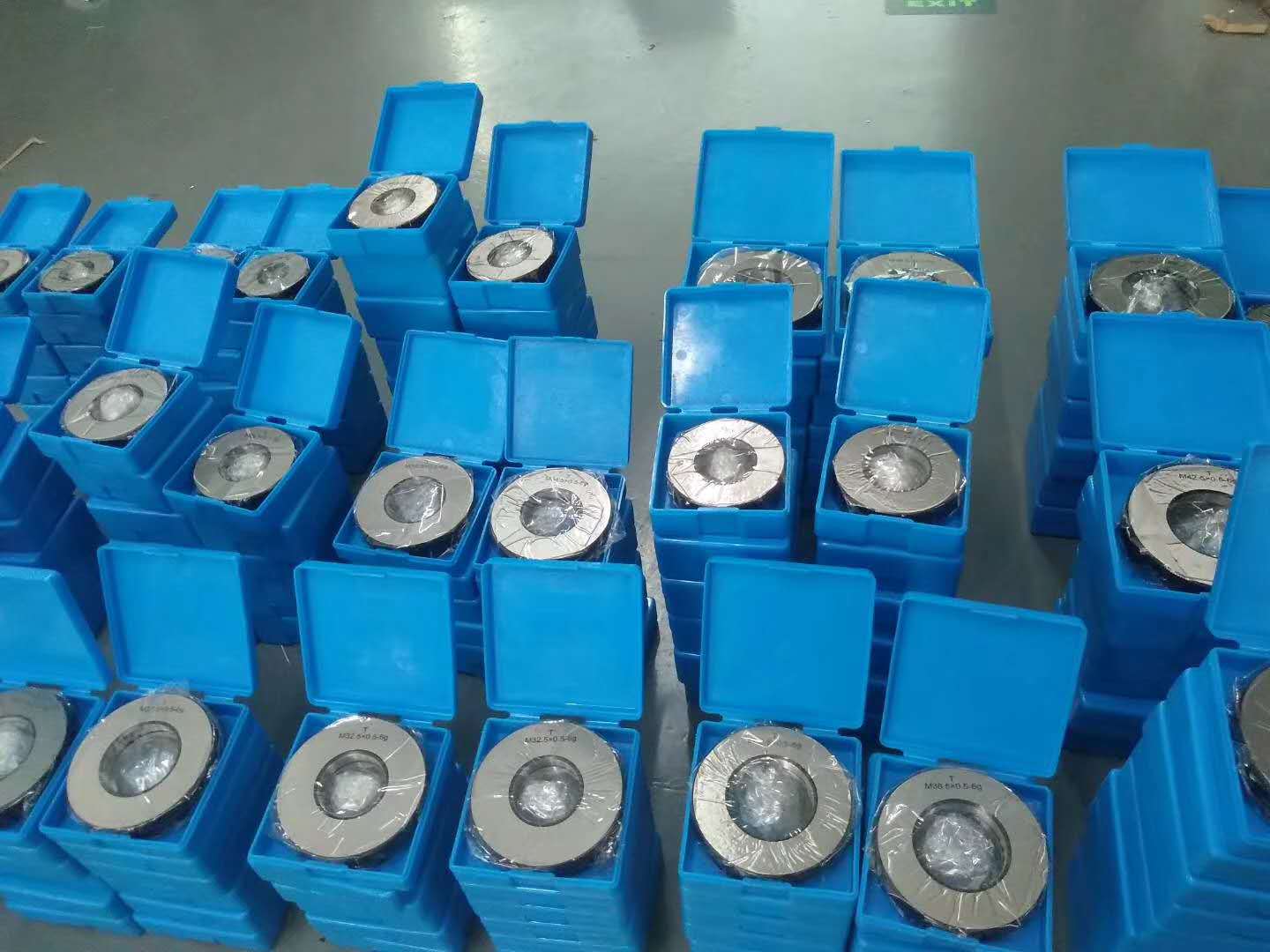
Válvula de retenção da mangueira de água
Válvula de Retenção para Mangueira de Água Uma Solução Eficiente para o Controle de Fluxo As manguei
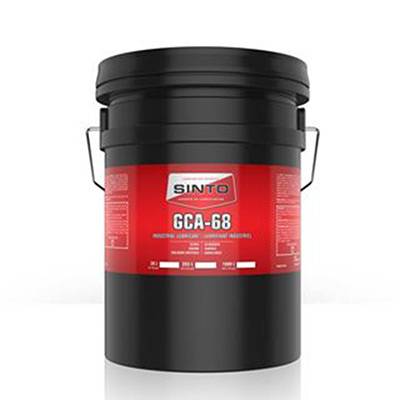
Versatile Adjustable Thread Ring Gauge for Precision Measurement and Quality Control in Manufacturin
Understanding Adjustable Thread Ring Gauges In the world of precision engineering and manufacturing,
 English